What Can We Learn From Another Medium?
Original ideas often begin when inspiration comes from somewhere unexpected.
The correlation
What could you bring back to your work from somewhere unexpected?
Creative work can become increasingly predictable when its references come exclusively from the same discipline.
A furniture designer looking only at furniture, or an interface designer looking only at interfaces, may find increasingly refined examples—but fewer genuinely unfamiliar ways of thinking. A reference from another medium can interrupt those established patterns.
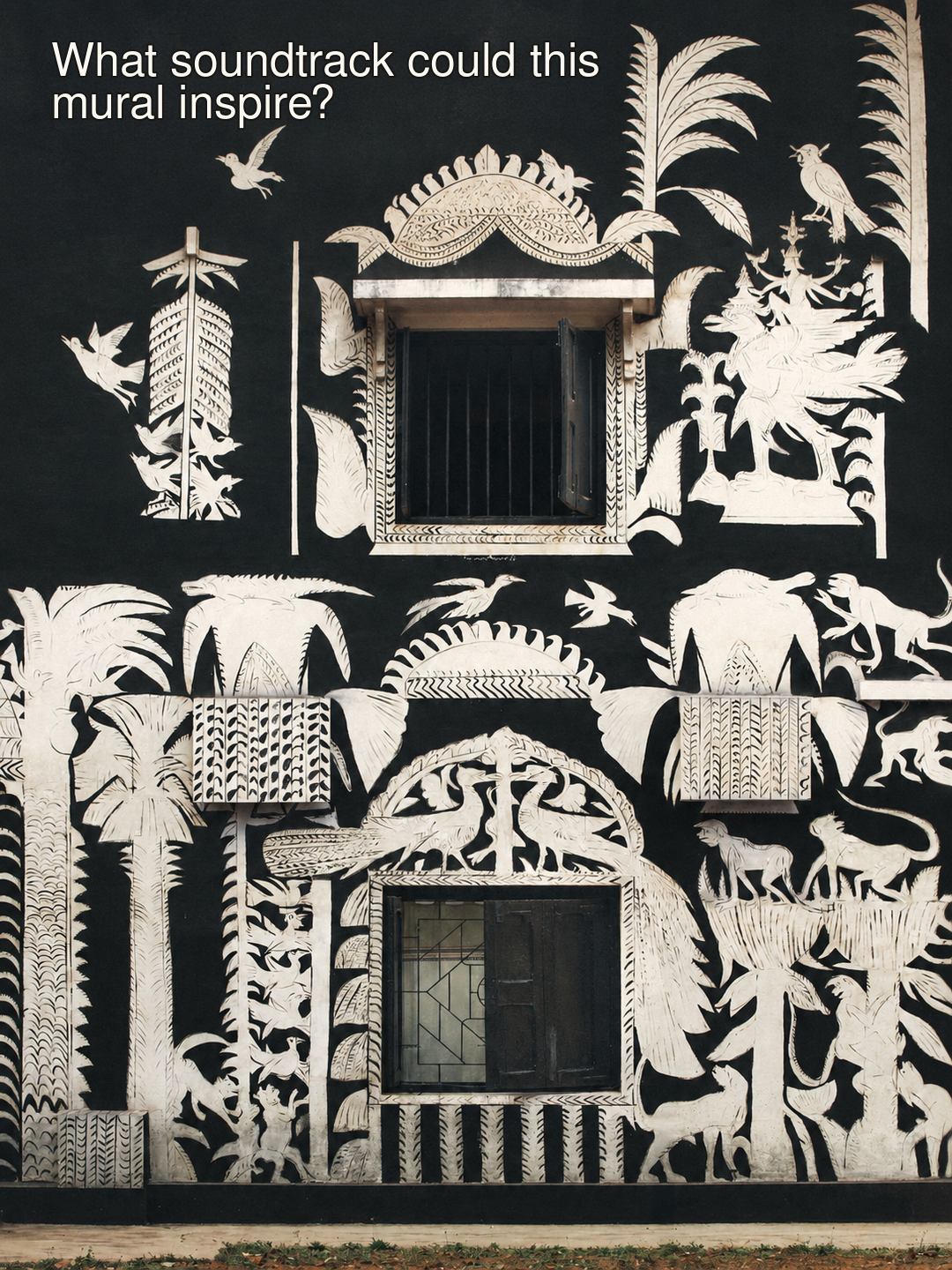
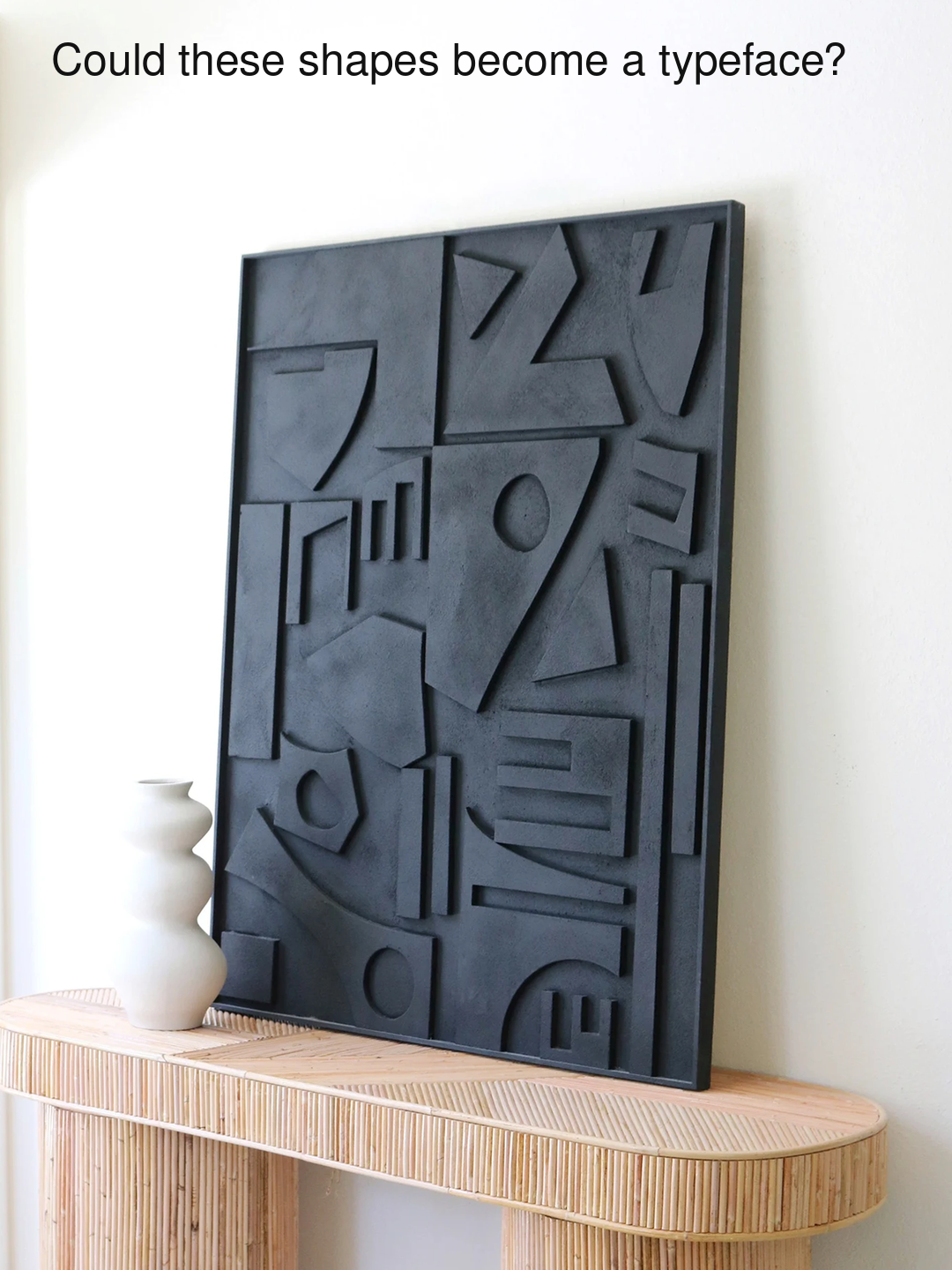
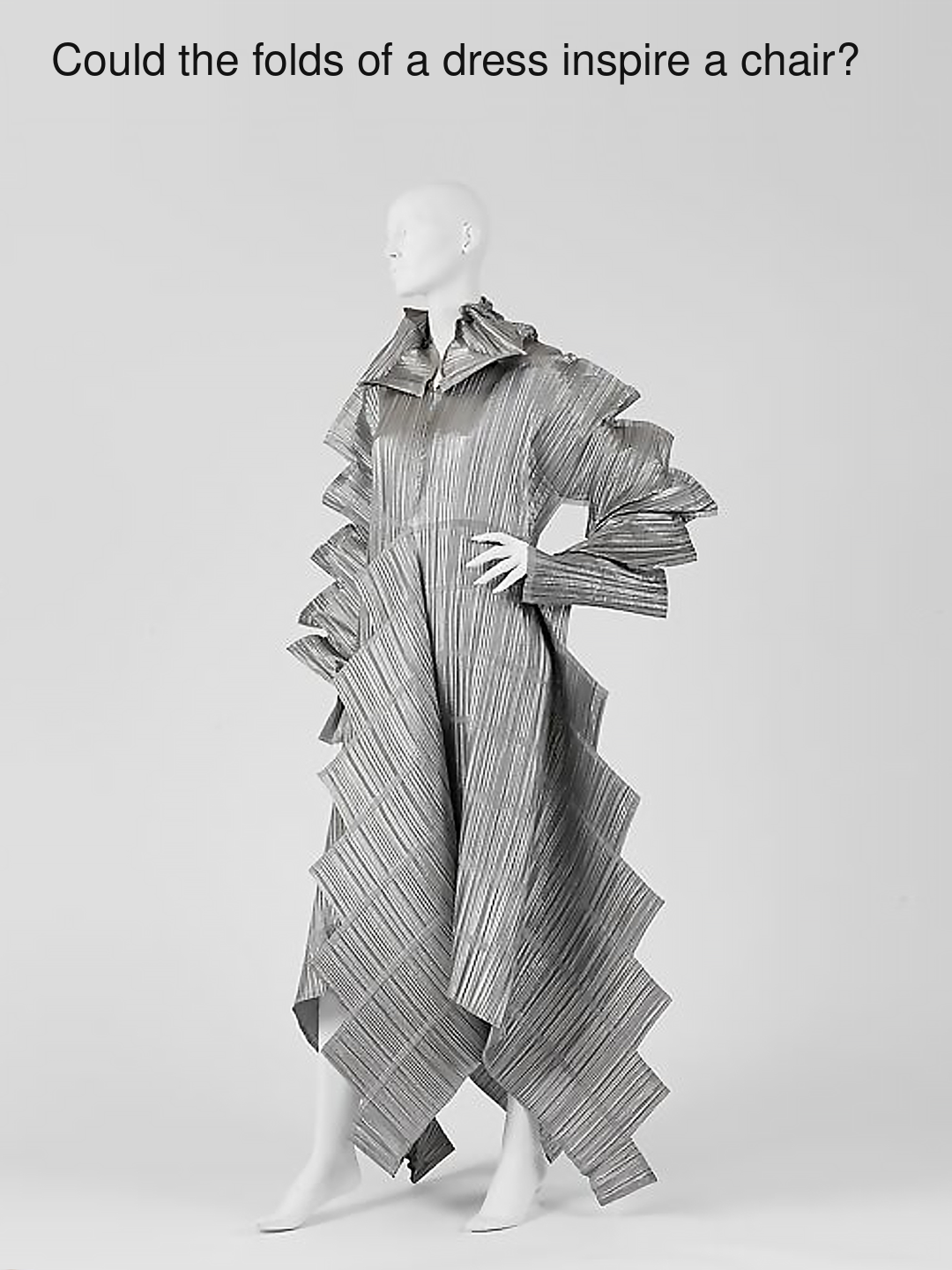
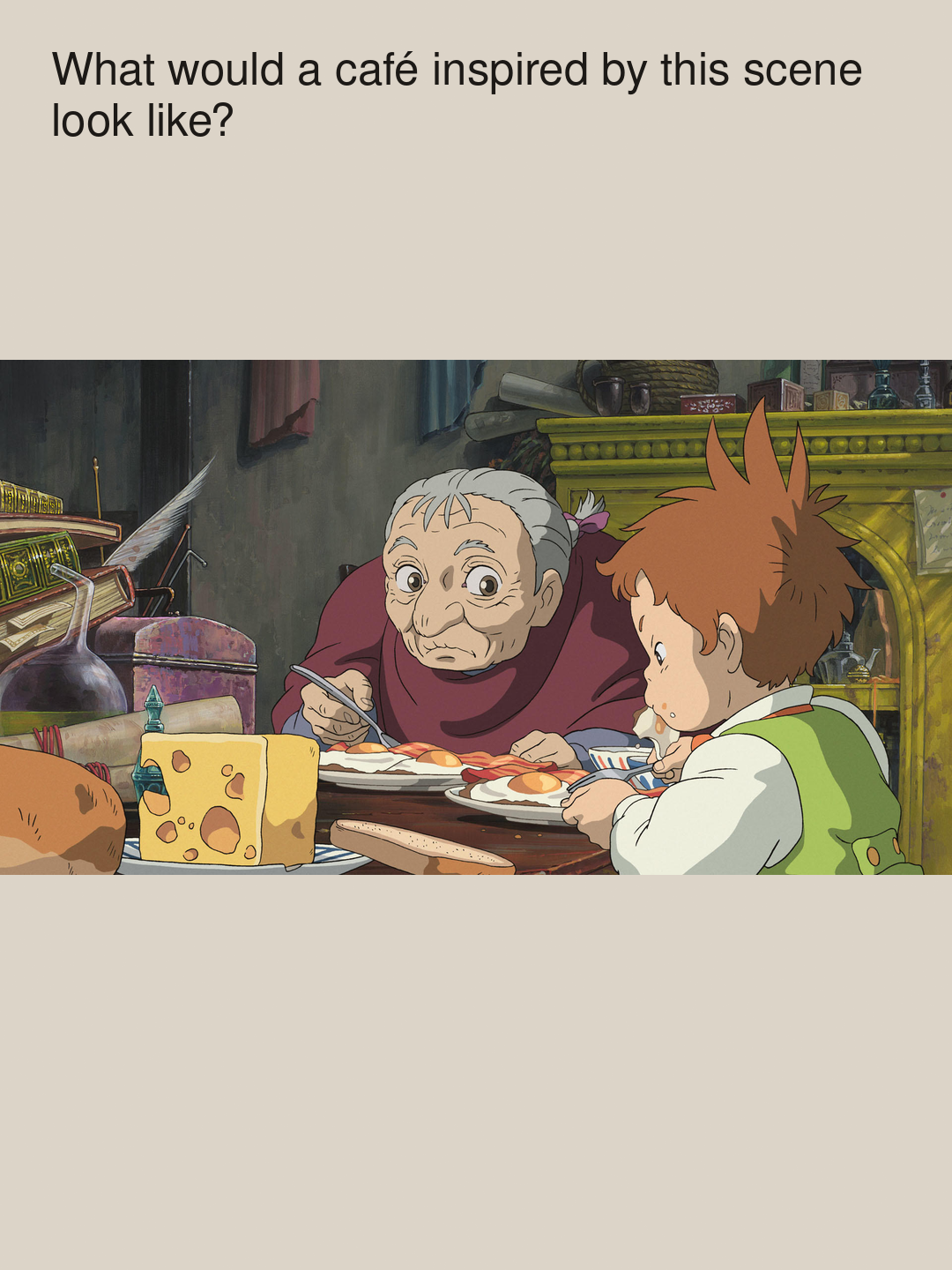
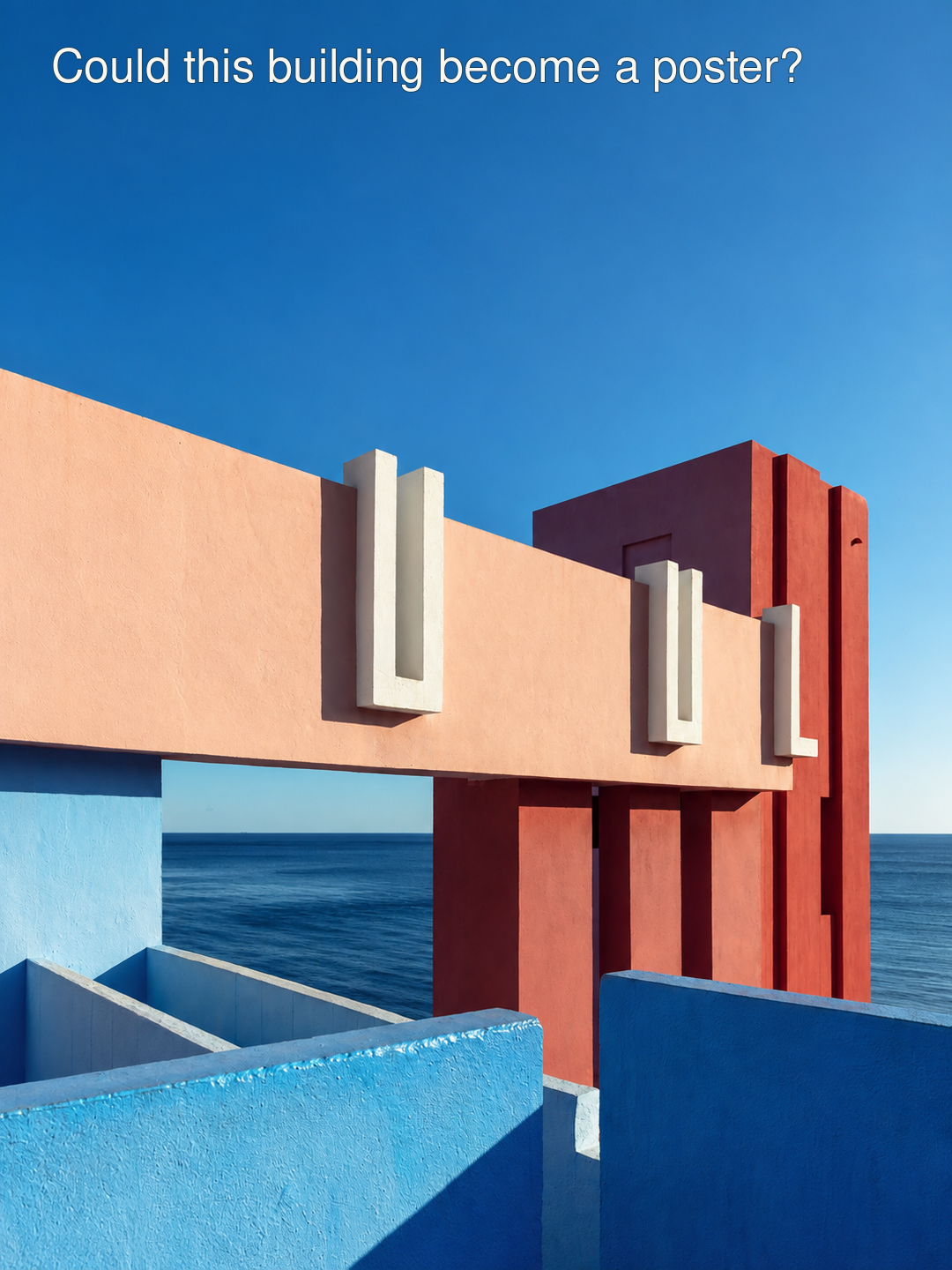
The useful connection is rarely literal. A mural might suggest rhythm and become the beginning of a soundtrack. A sculptural relief can offer a vocabulary of shapes that develops into a typeface. The folds of a garment can be understood as movement and structure, then reconsidered as furniture. A film scene can inspire the atmosphere and social character of an interior. A building can be flattened into color, hierarchy, and space for type.
The process begins by asking what the reference is doing rather than simply what it looks like. Is it repeating, folding, guiding, gathering, balancing, or layering? Naming that operation makes it transferable.
Another useful approach is to change the expected output. Ask what a painting would sound like, what a garment could become at the scale of a room, or how architecture might behave on a flat page. These prompts force the original reference to pass through a new set of materials, constraints, and decisions.
Looking outside our own discipline does not provide a ready-made answer. It gives us a different way to approach the question—and enough distance for the result to become our own.
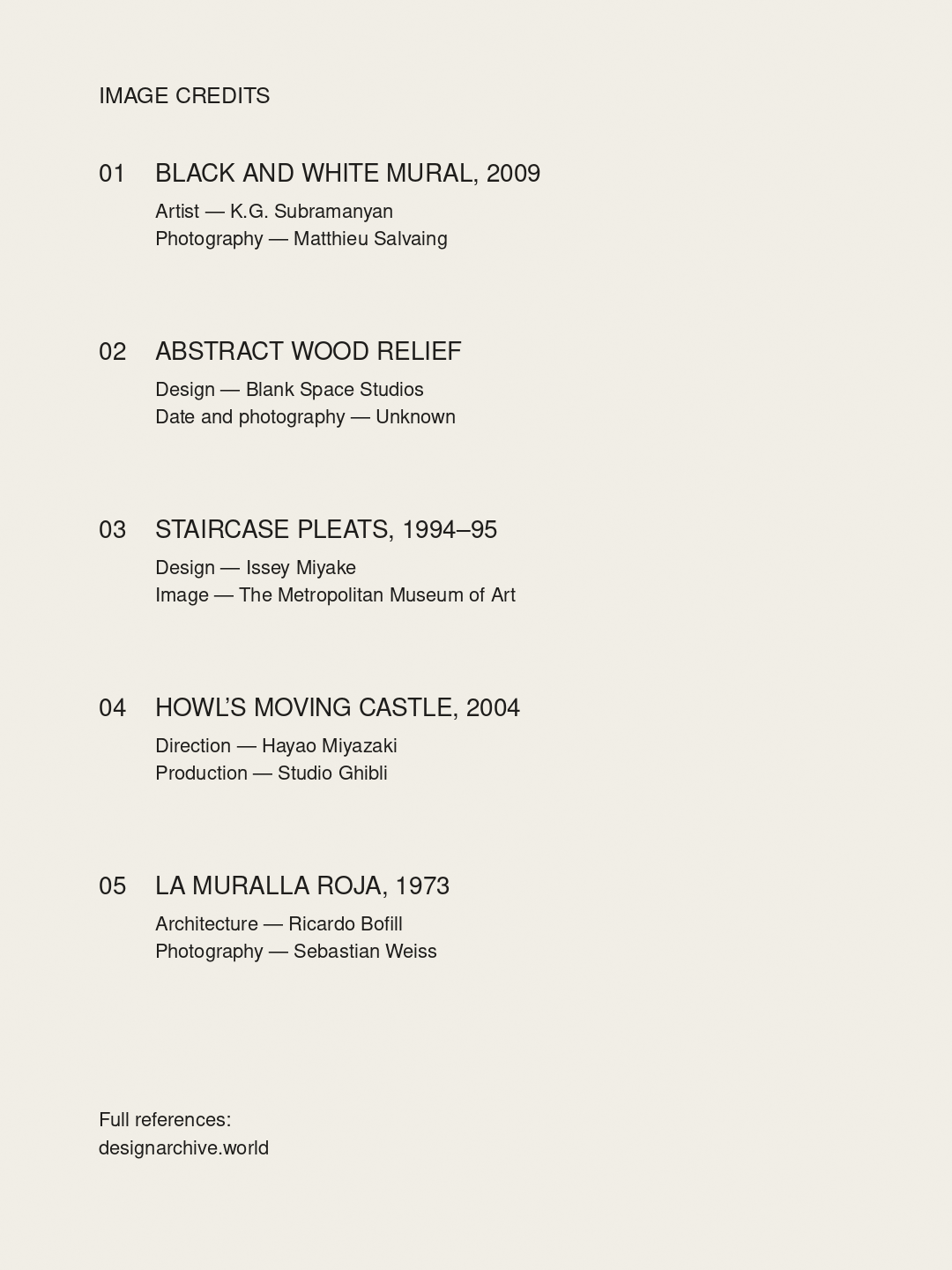
References & credits
- 01Black and White Mural, 2009
Artist — K.G. Subramanyan · Photography — Matthieu Salvaing
- 02Brutalist Style Artwork
Design — Blank Space Studios · Date and photography — Unknown
- 03Staircase Pleats, 1994–95
Design — Issey Miyake · Image — The Metropolitan Museum of Art
- 04Howl’s Moving Castle, 2004
Direction — Hayao Miyazaki · Production — Studio Ghibli
- 05La Muralla Roja, 1973
Architecture — Ricardo Bofill · Photography — Sebastian Weiss